
Wheelchair Services Halesowen
Wheelchair Services NHS in Halesowen
For qualified people who require a wheelchair for mobility, the NHS in the UK offers wheelchair services in Halesowen. These services, which vary from examinations to the provision of suitable wheelchairs and accessories, are overseen by several NHS Trusts and local authorities.
Here’s a general overview of how the process works:-
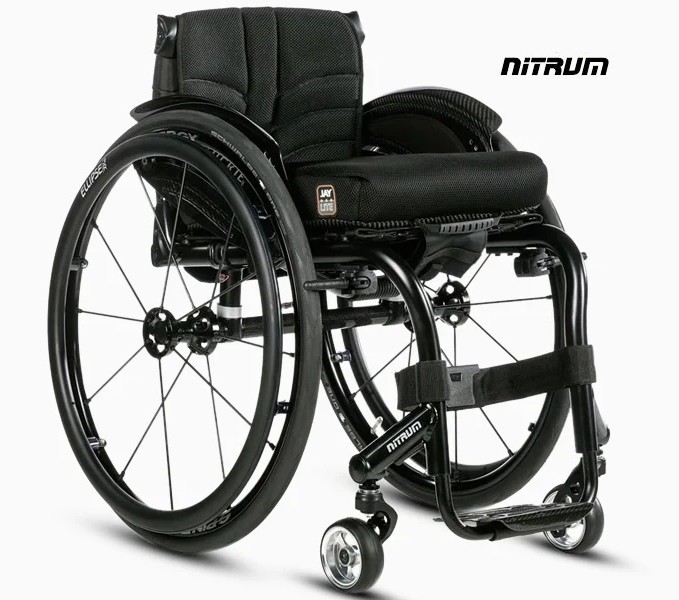
NHS provides wheelchair services Halesowen


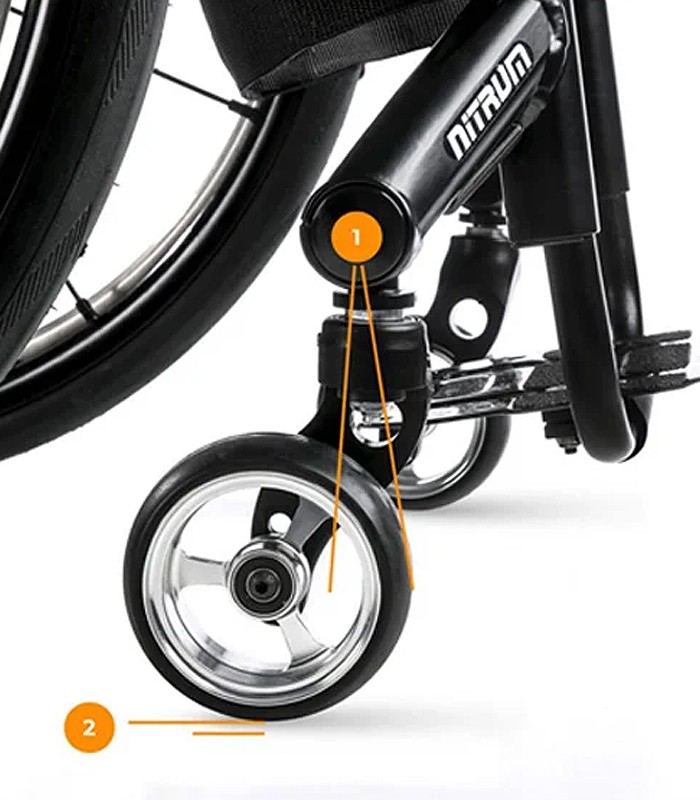
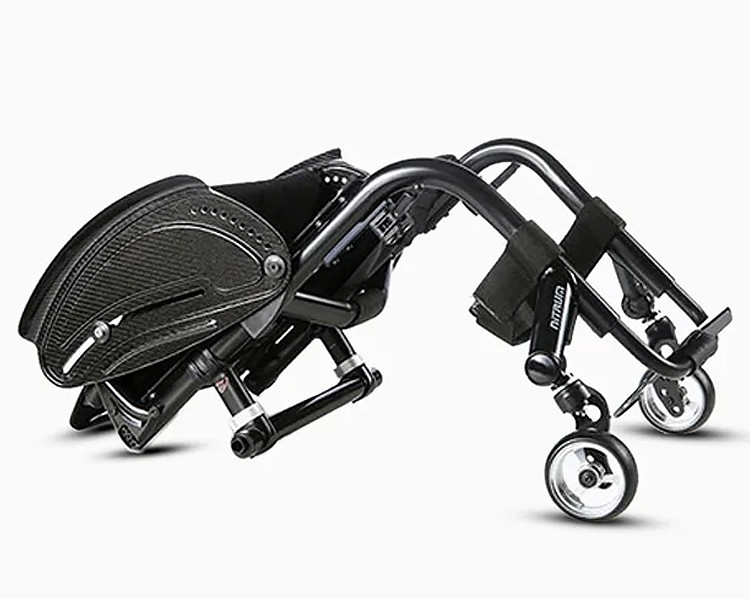
Maintenance and Repairs
NHS wheelchair services Halesowen often include ongoing maintenance, repairs, and support. Many areas offer a 24-hour helpline or dedicated service centers for repairs.
Some services may also offer wheelchair delivery and collection for repair or replacement.
Eligibility
NHS wheelchair services are generally provided to those who have a permanent or long-term mobility need.
Each region may have different eligibility criteria, so it’s worth checking with your local NHS Trust for specifics.
How to Access Services
To find your local NHS wheelchair service, you can visit the NHS website or contact your GP for more information.
You can also check with your local authority, as some wheelchair services Halesowen are managed at the council level.
If you have any specific questions or need more details, feel free to ask!
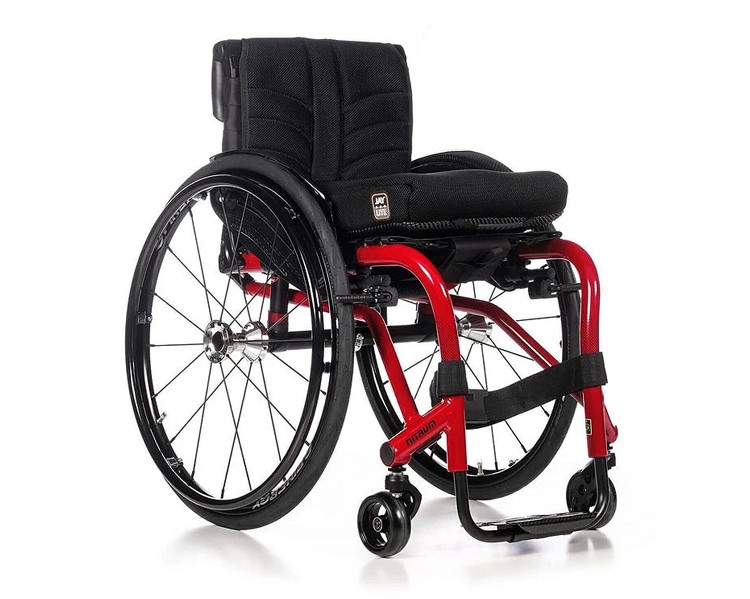
What wheelchair can you get?
The NHS provides a range of wheelchairs based on the individual’s needs. The type of wheelchair provided depends on the result of your assessment, which takes into account factors such as your medical condition, lifestyle, environment, and level of mobility. Below are the main categories of wheelchairs you can typically get through NHS wheelchair services:
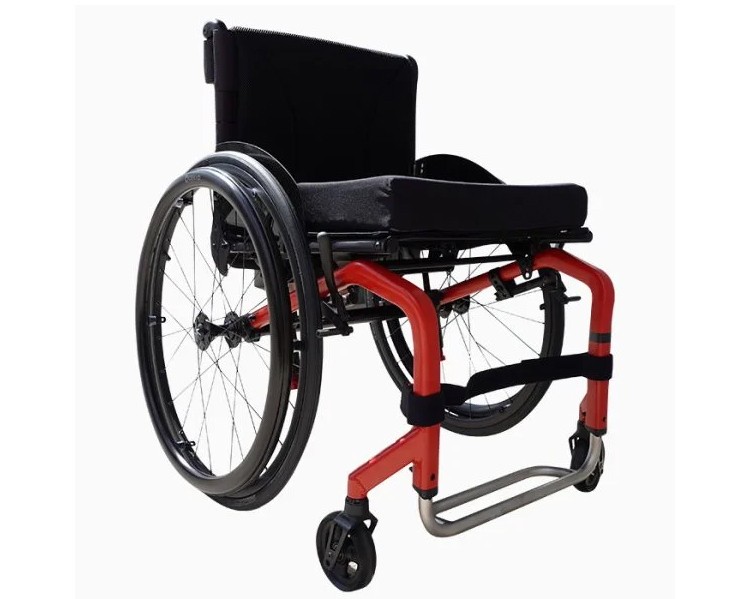
Manual Wheelchairs
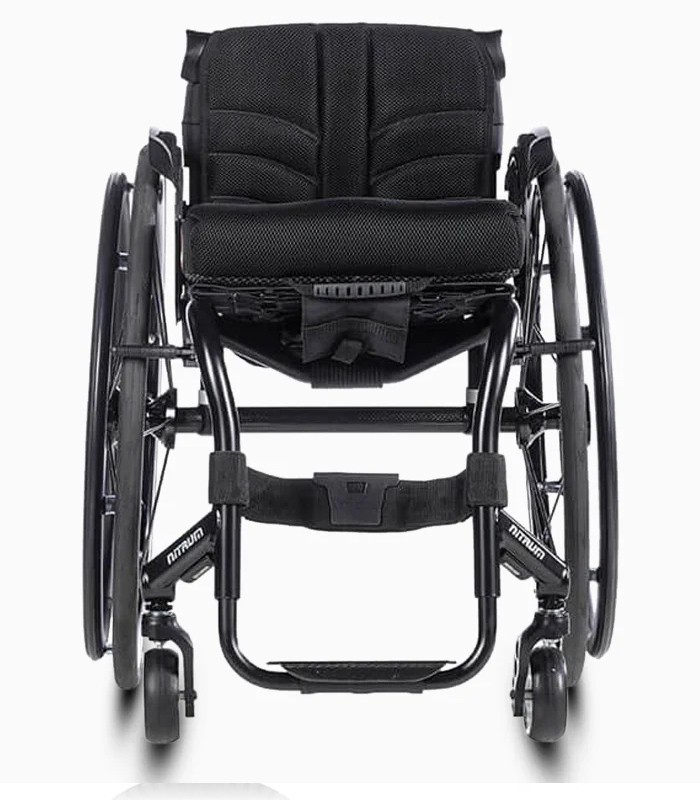
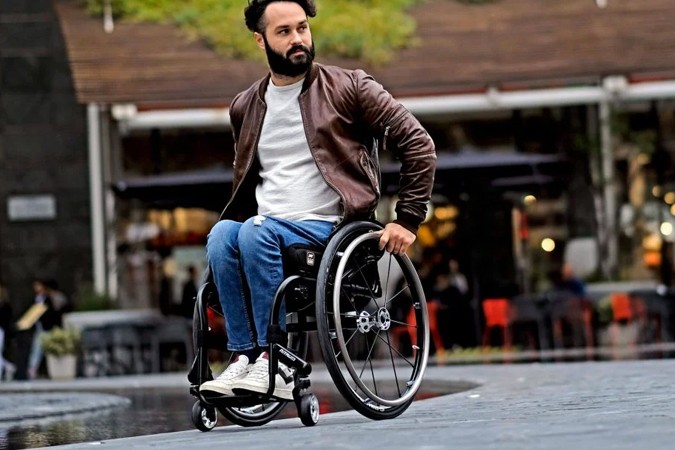
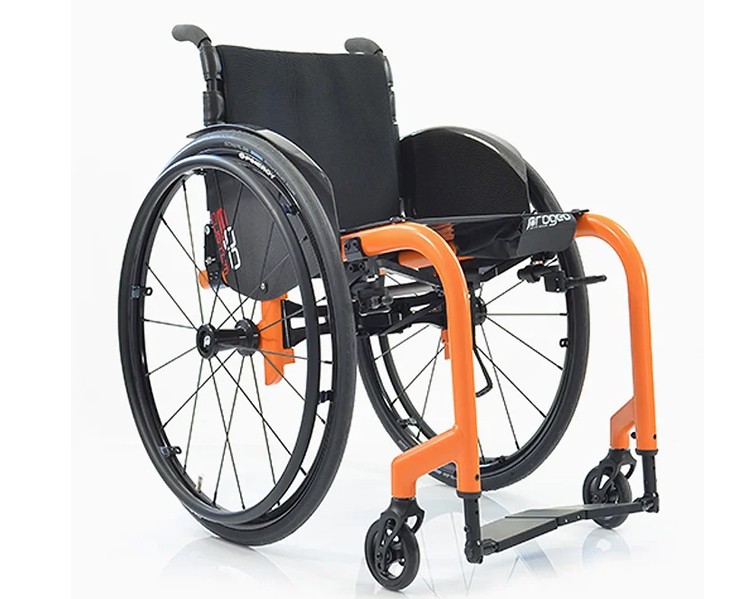
Self-Propelled Manual Wheelchairs: These are designed for individuals who have enough strength and mobility to move the wheelchair on their own. They usually have large rear wheels that can be propelled by the user.
Attendant-Propelled Manual Wheelchairs: These wheelchairs are for people who are unable to self-propel and require someone to push them. They typically have smaller rear wheels, making them easier for a carer to push.
Transit Wheelchairs: These are a lightweight version of attendant-propelled wheelchairs. They are ideal for short-term use or for individuals who do not need to use a wheelchair full-time.
Powered (Electric) Wheelchairs
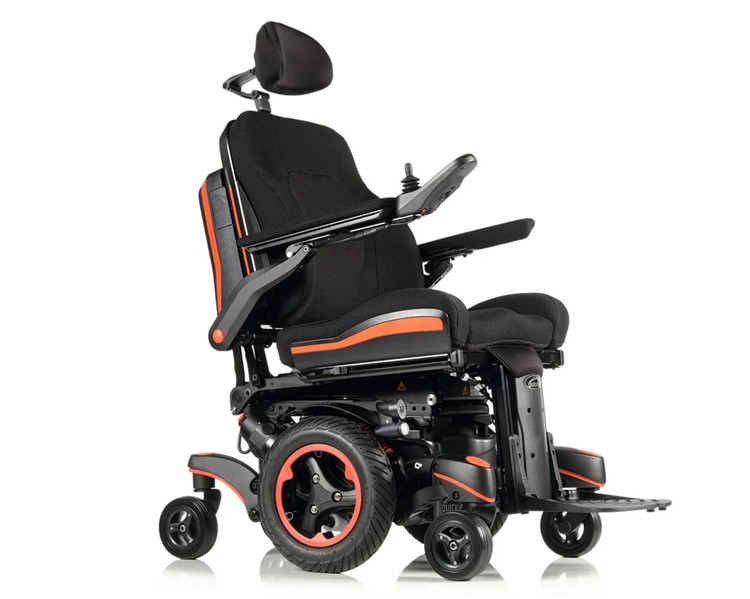
Standard Powered Wheelchairs: These are motorized wheelchairs designed for individuals who cannot self-propel and need assistance with mobility. They are powered by a battery and can be controlled via a joystick or other control mechanism.
Compact/Small Powered Wheelchairs: These are more lightweight and compact options, which are easier to transport and maneuver in tight spaces. They’re often ideal for people who need a powered chair but don’t have much space in their home.
Heavy-Duty or Bariatric Powered Wheelchairs: These are designed for individuals with larger body sizes and offer higher weight capacities and extra support.

Specialist Wheelchairs
These are custom-designed or modified wheelchairs for people with specific needs related to their medical conditions or lifestyle.
Postural/Orthotic Wheelchairs: These are tailored to provide additional postural support and comfort for people with conditions like scoliosis, cerebral palsy, or neurological impairments.
Sports Wheelchairs: These are specially designed for people who participate in sports, such as wheelchair basketball or tennis. They are lightweight, with features that cater to fast movement and high mobility.
Reclining or Tilt-in-Space Wheelchairs: These allow the user to tilt or recline the chair for comfort, pressure relief, and to help with posture. These are especially useful for people who spend long periods in their chair.
Child and Pediatric Wheelchairs
These are specifically designed for children, offering the necessary adjustments for growth and development. They may include special seating systems, headrests, and other features to ensure safety and comfort.
Custom-Made or Specialized Seating
Some individuals may require customized wheelchairs due to their specific medical conditions, such as severe neurological disorders, spinal cord injuries, or pressure ulcer prevention. In these cases, the NHS may offer chairs with custom seating systems, which include:
Custom cushions.
Postural support systems.
Pressure-relieving materials.
Lightweight or Folding Wheelchairs
These are often provided for those who need a portable solution. They are lightweight and can be folded for easier transportation, especially in vehicles.
Cushions and Accessories
In addition to the wheelchair itself, you may also be provided with special cushions or accessories such as:
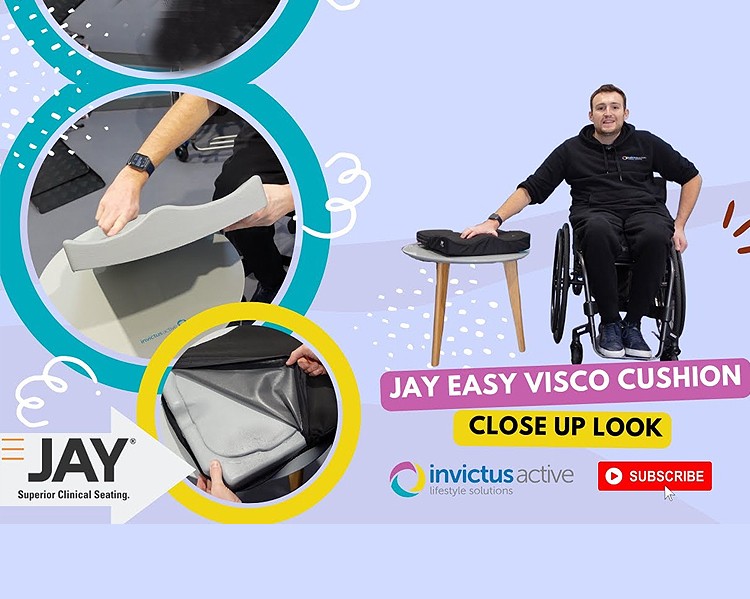
Pressure-relieving cushions to reduce the risk of pressure sores.
Footrests or leg rests.
Armrests, headrests, or supportive seating systems.
Key Considerations:
Assessment: The type of wheelchair you get from the NHS is based on a detailed assessment that takes into account your needs. The goal is to provide the most appropriate and safe wheelchair to support your mobility.
Long-Term Use vs. Short-Term Use: For people with a long-term need for mobility assistance, the NHS provides wheelchairs for extended use, but there are also options for those who need temporary assistance (e.g., after surgery or illness).
Repairs and Maintenance: The NHS wheelchair service often covers repairs, servicing, and adjustments to your wheelchair to ensure it stays in working condition.
The exact wheelchair offered can vary by local NHS Trust, and eligibility criteria may differ by region. To find out which specific options are available in your area, you can contact your local NHS wheelchair service or speak with your GP for a referral.
Let me know if you need more information on any specific type of wheelchair!