
Struggling with a Manual Wheelchair?
Introduction
Searching for “ways to make a manual wheelchair easier without going electric”.
Often means you’ve reached a point where pushing a manual wheelchair is becoming more difficult — but moving to a fully powered wheelchair with joystick control doesn’t feel like the right step.
This is a very common situation for active wheelchair users across the UK.
Many people want to maintain independence, stay physically engaged, and continue self-propelling where possible.
The good news is that there are alternatives to a powered wheelchair that can provide meaningful support without completely changing how you use your chair.
Many users in this situation say I Don’t Want a Powered Wheelchair – What Are My Options?

Why People Consider a Powered Wheelchair
A powered wheelchair is often suggested when:
⇒ Distances become harder to manage
⇒ Hills and slopes are difficult
⇒ Shoulder or joint strain increases
⇒ Daily use becomes more tiring
While these are valid reasons, a full powerchair is not always necessary — especially if you still have the ability and desire to self-propel.
Need help deciding what might work for you?
If you’d like personalised guidance based on your wheelchair setup or mobility needs,
a specialist from Invictus Active can help.
Need help deciding what might work for you?
If you’d like personalised guidance based on your wheelchair setup or mobility needs, a specialist from Invictus Active can help.
Many users hesitate because:
⇒ They want to stay active
⇒ They prefer manual control
⇒ They don’t want a joystick system
⇒ They want something lighter and more flexible
This is where alternative solutions become important.
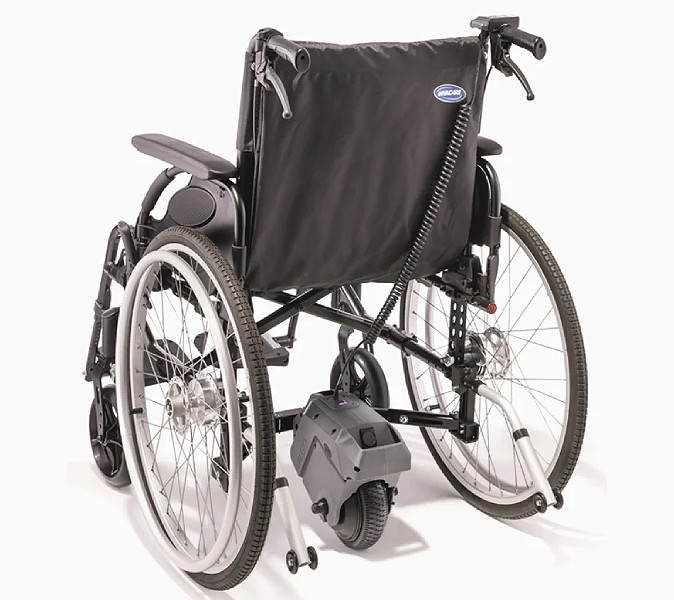
What Is a Power Assist?
Power assist systems are designed to work with a manual wheelchair. Instead of replacing the chair entirely, they provide motorised support to reduce effort.
They fall into two main categories:
Rear power assist units:
⇒ SmartDrive Rear Power Assist
⇒ Smoov One Rear Power Assist
⇒ Empulse R90 Rear Power Assist
Powered wheels:
⇒ Alber E-Motion Powered Wheels
⇒ Empulse M90 Joystick Powered Wheels
Each option offers a different level of support depending on how much assistance you need.
This is also part of the wider discussion in Power Assist vs Powered Wheelchair – What’s the Difference?
Rear-mounted systems are commonly chosen by users who want to continue pushing but need help with effort and distance.
SmartDrive

SmartDrive is widely used for longer journeys. It allows you to push and then maintain momentum, reducing the need for constant effort.
Smoov One
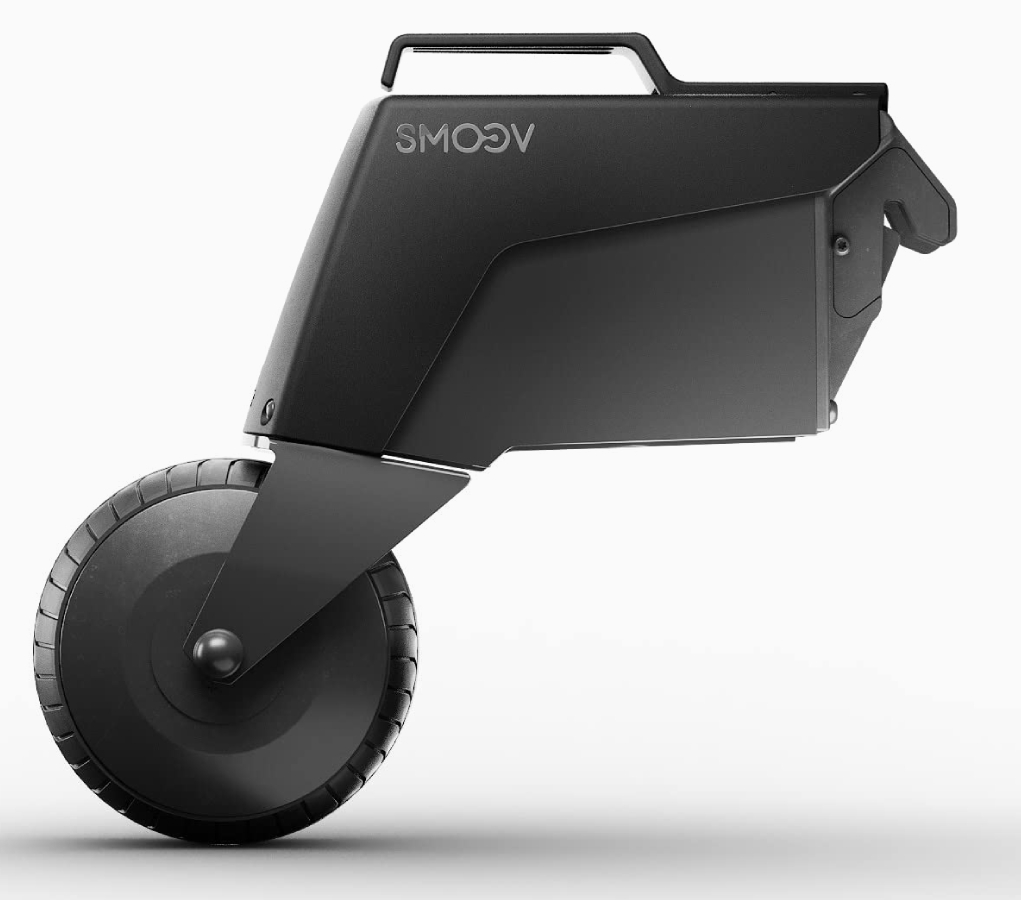
Smoov One offers a similar concept but uses a simple controller, giving users smooth and controlled assistance across different environments.
Empulse R90

Empulse R90 is often preferred by users who want the most natural feel. It supports each push, making hills and everyday terrain easier while still feeling like a manual wheelchair.
These systems are often considered the best starting point when looking for an alternative to a powered wheelchair.
Powered Wheels – Reducing Strain Further
For users who need more support, powered wheels provide a higher level of assistance.
Alber E-Motion

Alber E-Motion wheels assist each push, significantly reducing strain on the shoulders and joints. They are often chosen by users looking to protect long-term mobility while remaining active.
Empulse M90

Empulse M90 provides even greater support through joystick control. While still attached to a manual chair, it offers a step closer to a full powered experience when needed.
Choosing the Right Option
The right solution depends on your situation:
⇒ If you want to remain active and push → rear power assist (R90, SmartDrive, Smoov)
⇒ If reducing strain is the priority → E-Motion
⇒ If you need more support → M90
In many cases, users start with lighter assistance and move up only if required.
Real-World Benefits
Choosing a power assist instead of a powered wheelchair can:
⇒ Extend how long you can stay active
⇒ Reduce fatigue over longer distances
⇒ Make outdoor environments more accessible
⇒ Help manage hills and uneven terrain
⇒ Protect shoulders and joints over time
Conclusion
You do not always need to move straight to a powered wheelchair. For many users, power assist systems offer a more flexible and practical alternative, allowing you to maintain independence while reducing effort.
Understanding the different options available can help you choose the right level of support without compromising how you want to use your wheelchair.
Need help deciding what might work for you?
If you’d like personalised guidance based on your wheelchair setup or mobility needs,
a specialist from Invictus Active can help.
Need help deciding what might work for you?
If you’d like personalised guidance based on your wheelchair setup or mobility needs, a specialist from Invictus Active can help.
Do I need a powered wheelchair or are there alternatives?
There are alternatives such as power assist systems that can provide support without fully switching to a powered chair.
Are power assist systems suitable for everyday use?
Yes, many are designed for daily use across different environments.
Will they work with any wheelchair?
Compatibility varies, so it is important to check each setup individually.